Date:
Jul 28, 2026
Category:
Product updates
How to Find Shopify Brand Owners List

Shopify has quietly become one of the biggest players in ecommerce, and that growth means one thing for you: there are more brands out there to reach than ever before. The catch? Most of them aren't sitting in a directory with your name on it. You have to go find them.
A well-built list of Shopify brands isn't just rows in a spreadsheet - it's your shortcut to real conversations with businesses that are already live, already spending money on tools, and already open to hearing a good pitch.
So grab a coffee, and let's walk through ten real ways to find them - starting with the fastest one.
Where Shopify Brands Actually Hide
Before we jump into the list, it helps to know this: Shopify brands don't all show up in the same place. Some are easy to spot with a quick detection tool. Others are hanging out on Instagram, buried in a Reddit thread, or running ads you'd never notice unless you went looking. No single method catches everything - which is exactly why the smart move is combining a few.
Method 1: Use dtcfinder.com
Think of this as your treasure map with the "X" already marked. Instead of piecing together data from five different tools, dtcfinder.com gives you direct access to a database of 14 million+ ecommerce stores - searchable and filterable by platform, country, revenue band, traffic, and currency.
Here's how simple it is:
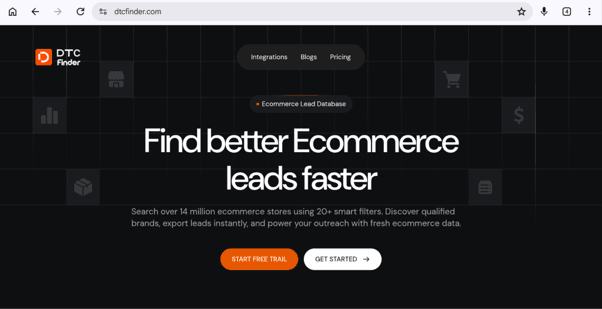
Step 1: Start your free trial at dtcfinder.com.
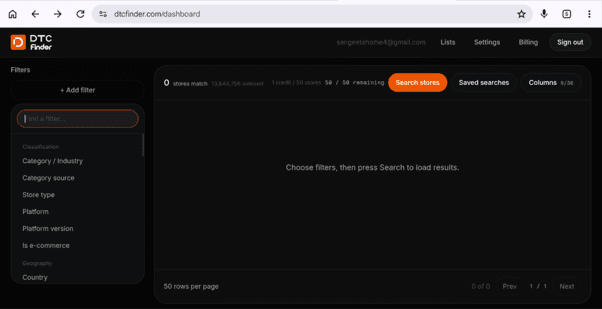
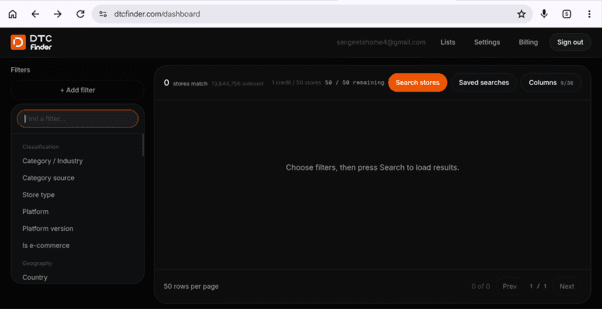
Step 2: Open the search dashboard and set your filters - platform (Shopify), country, revenue range, and traffic bucket.
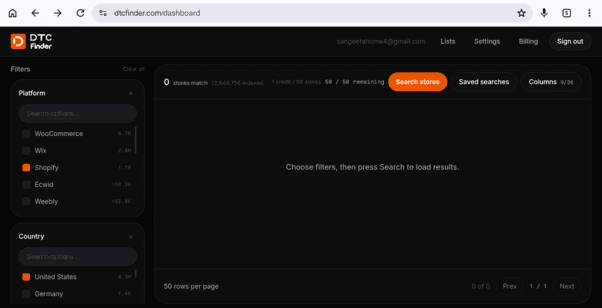
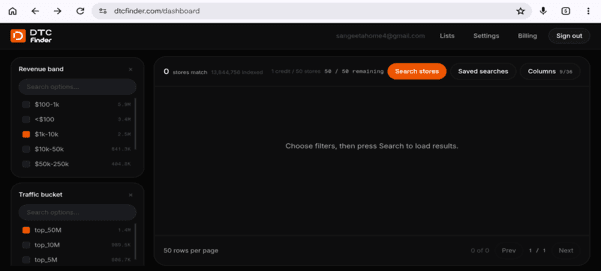
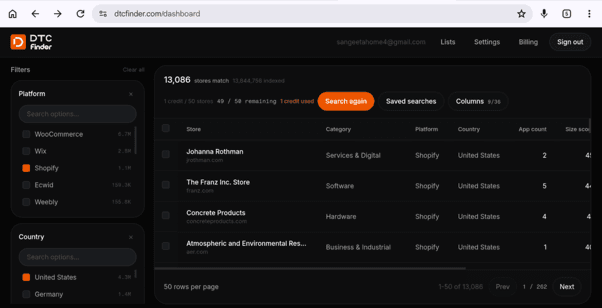
Step 3: Hit search and browse the matching Shopify brands, with revenue and traffic estimates shown for each.
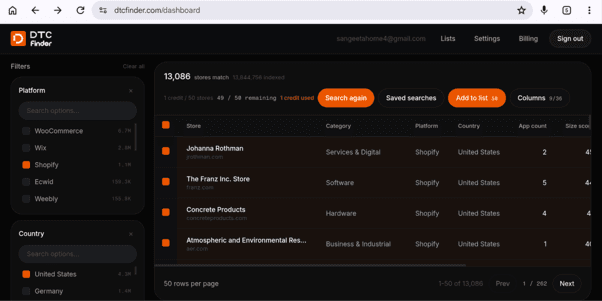
Step 4: Select the stores you want and build them into a list.
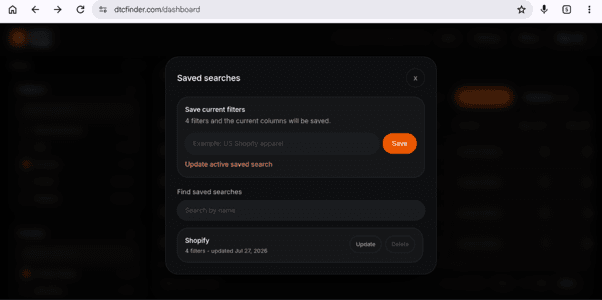
Step 5: Export your list in a few clicks and start reaching out.
No spy tools, no IP lookups, no seven open tabs. Just a filtered, exportable list of real Shopify stores.
Method 2: Google's Little-Known Search Tricks
Google's still useful if you know how to talk to it. Try:
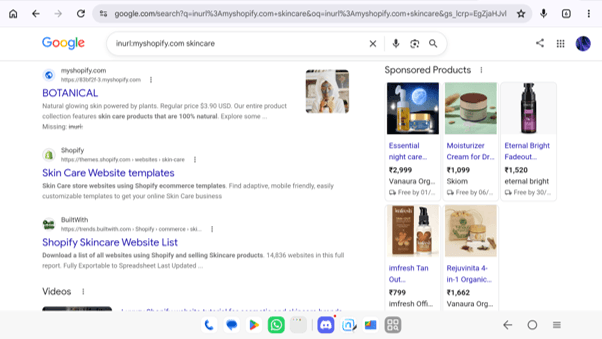
inurl:myshopify.com "your niche" — catches stores still on their default subdomain
"powered by shopify" "your niche" — finds stores that never removed the footer credit
Add -wholesale or -dropshipping to clear out the noise
Five minutes with these google search operators and you'll already have a shortlist going.
Method 3: Myip.ms and the IP Trail
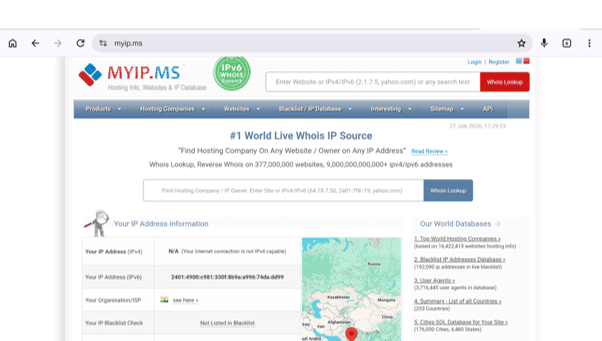
Here's a fun one - every Shopify store lives on a shared IP range. Myip.ms lets you search that range and pull every domain hosted there. It's messy and unsorted on its own, but pair it with a niche keyword and it turns into a genuinely useful shopify store database.
Method 4: Detection Tools Like BuiltWith
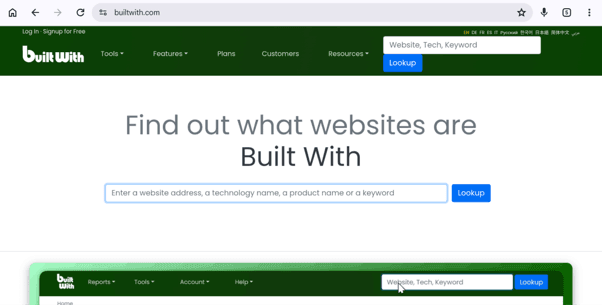
Ever wanted an X-ray machine for websites? That's basically BuiltWith. Point it at any site and it tells you exactly what platform it's running on, filterable by traffic, country, and industry - perfect for confirming a brand is actually shopify-powered before you waste a pitch on it.
Method 5: Scrolling Instagram and TikTok (Yes, Really)
Search hashtags like #shopifystore or your specific niche tag, and you'll land on brand after brand with a store link sitting right in their bio. It's oddly satisfying - half research, half doom-scrolling.
Method 6: Facebook Groups
Groups like "Shopify Entrepreneurs" are full of founders posting launches, asking for feedback, and just generally talking shop. Join, lurk a little, engage a little more, and you'll start recognizing names worth reaching out to.
Method 7: Reddit and Other Communities
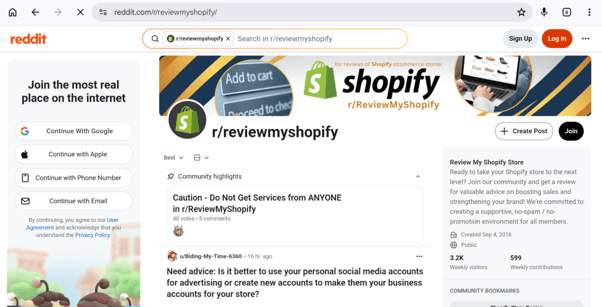
r/shopify and r/ecommerce are basically open books - founders posting their actual stores, asking real people for real feedback. It's one of the few places you get to see a brand's honest, unpolished side before you ever reach out.
Method 8: LinkedIn
Search "Shopify store owner" or niche-specific hiring posts, and you'll find founders and decision-makers hiding in plain sight. A well-written connection request here can open doors that cold email never will.
Method 9: The Meta Ad Library
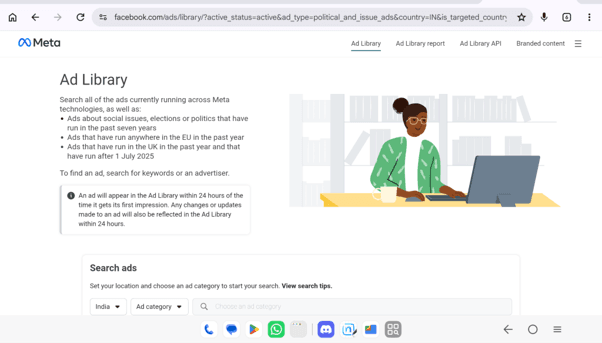
This one's free and criminally underused. Search any niche keyword and see exactly which brands are spending money on ads right now. If an ad's been running for months, that brand isn't going anywhere - and it's probably worth your time.
Method 10: Directories Like CartInsight and EachSpy
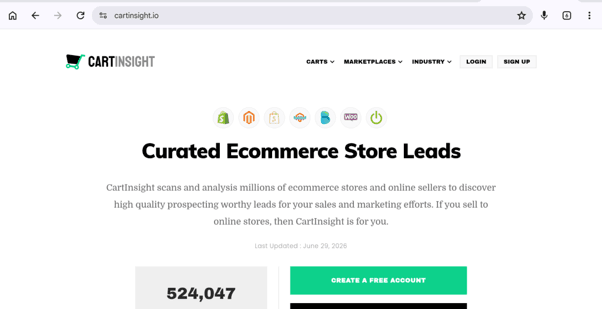
These are the curated, ready-made lists - filterable by niche, country, and theme. Great as a supplement once you've already found a few brands elsewhere and want to round the list out.
A Few Ground Rules for Reaching Out
You've got the list - now don't blow it:
Be specific:Mention something real about the brand, not a copy-pasted line
Lead with value: Show them what's in it for them before you ask for anything
Stay professional:Founders remember first impressions
Follow up once: A single, well-timed nudge beats a dozen ignored messages
Conclusion
There's no single secret to finding Shopify brands - it's about stacking a few of these methods until you've got a list you actually trust. Google tricks, detection tools, IP lookups, and niche communities will all get you there if you're willing to put in the time. But if you'd rather skip straight to the good part, dtcfinder.com turns this whole hunt into a single search - filter by platform, country, revenue, and traffic, then export your list in minutes instead of hours.
Author
DTC Finder Team
Ecommerce Data & Growth


Read More Articles






Discover better ecommerce leads
Start your free trial and discover how easy it is to search, save, and export qualified ecommerce leads with DTC Finder.

Get the latest updates from DTC Finder
Product updates, straight to your inbox.